

The image of a chef-driven kitchen has long been associated with creativity, intuition, and craftsmanship. But as India’s food-service industry matures, success increasingly depends on something less glamorous: consistency.
Indian Kitchens now seemingly compete on planes beyond taste. For years, dining out in India was largely driven by indulgence. Consumers chose restaurants based on flavour, portion sizes, ambience, or the occasional social media trend. Today, however, a new factor influencing what lands on restaurant menus is innovation.
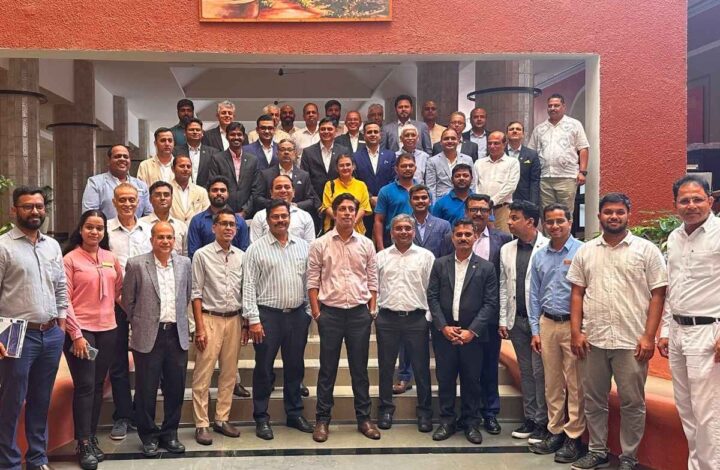
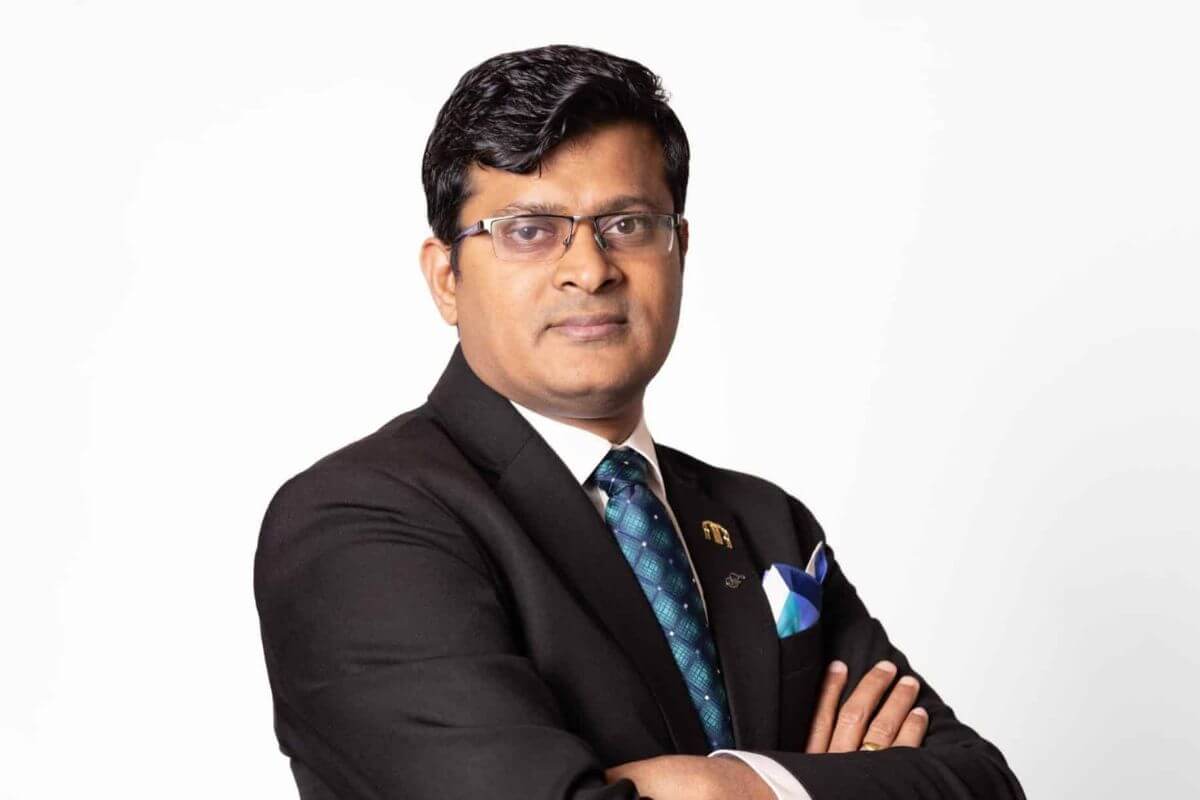
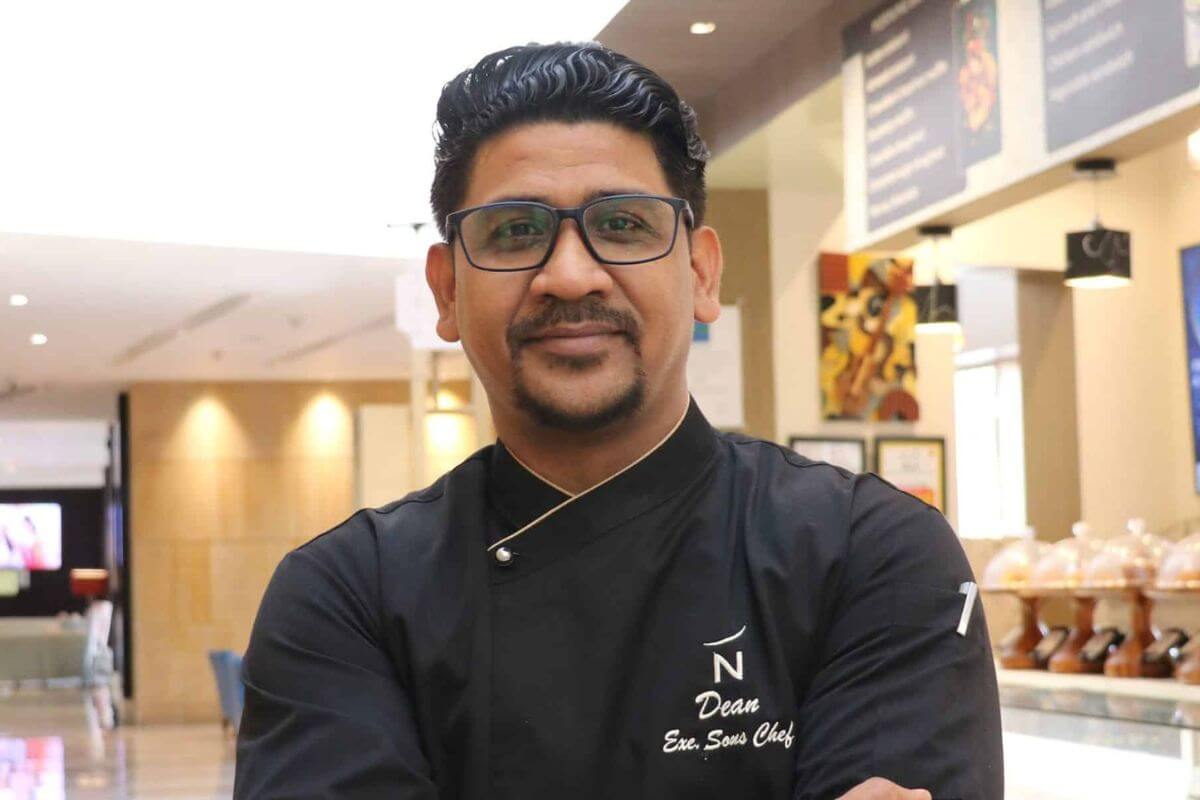
This shift was the centre of discussion at the Culinary Solutions Summit held in Hyderabad and New Delhi, hosted by Zydus Wellness’ Nutralite Professional in association with Chef Sanjeev Kapoor. Chefs, restaurateurs, and hospitality leaders gathered to discuss the future of professional kitchens in India. However, the discussion left one naked truth clear: operational excellence had become just as important as culinary creativity. Speaking about the changing dynamics of professional kitchens, Chef Sanjeev Kapoor said, “Today’s kitchens are expected to deliver much more than great taste. Consumers expect consistency, quality, innovation, and experience every single time they dine out. For chefs and restaurateurs, building excellence in professional kitchens requires the right balance of culinary creativity, operational discipline, and dependable ingredient solutions.” Tarun Arora, CEO and Whole-time Director, Zydus Wellness, highlighted the brand’s commitment towards enabling modern culinary businesses through Nutralite Professional. The event also featured curated tasting sessions, interactive chef engagements, and discussions focused on evolving consumer dining preferences and the future of the HoReCa ecosystem in India.
The modern consumer is extremely experience-driven. We expect consistency in taste, presentation, service and quality regardless of when we visit or which outlet we choose. At the same time, the restaurant industry is grappling with rising input costs, workforce challenges and the need to remain profitable in a highly competitive market. As a result, the industry’s focus shifts from individual dishes to a broken system. For multi-location restaurant brands, consistency is no longer simply a quality benchmark but rather a business necessity. A great recipe means little if it cannot be replicated across outlets, teams, and service periods.
What we as consumers expect from strategic priorities like expanding a menu or introducing new dishes and flavours has now taken a back seat compared to more foundational innovations that customers may never see, but directly influence their dining experience. Smarter ingredient choices, workflow efficiency, waste reduction, and technology-enabled operations are becoming critical drivers of success.
But analyse all these trends and a clear picture emerges; One of an industry in transition.
The future of food service in India will not be determined solely by who creates the next viral dish or dining concept. It will belong to businesses that can combine culinary excellence with operational precision, innovation with scalability, and creativity with consistency. In the cutthroat food market of the current times the restaurants that master this will most likely define the next chapter of the Food Industry in India.